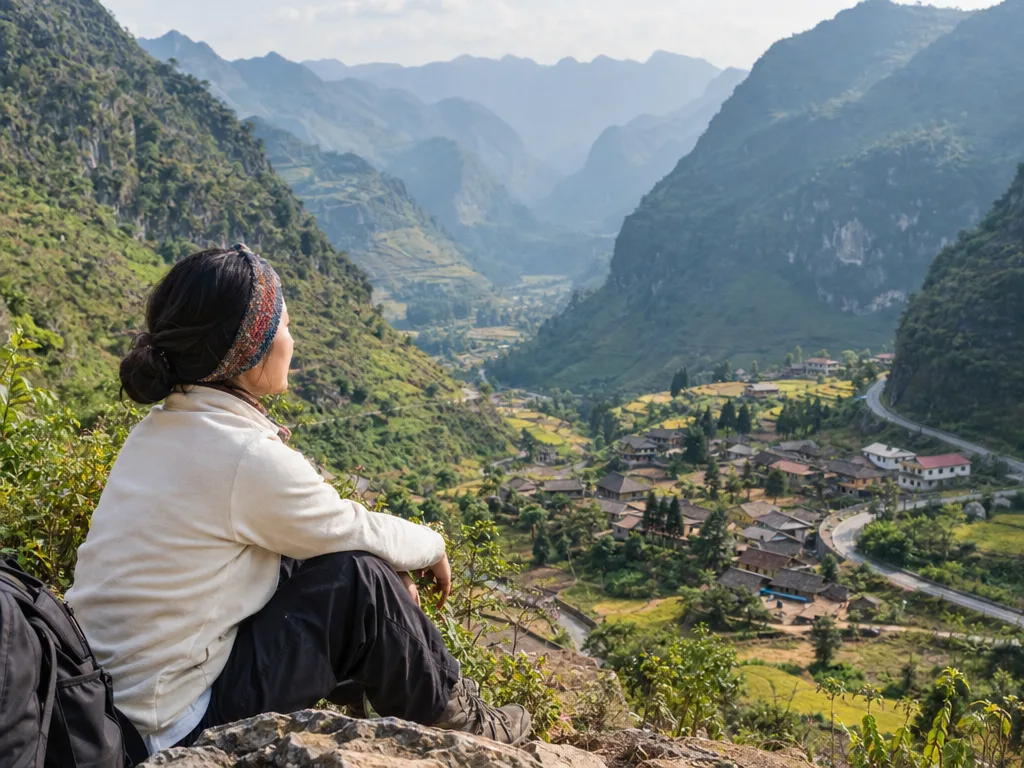
Ha Giang is often introduced as a motorbike adventure, but the region is not reserved for confident riders. A slower, guided, car-based, or mixed-activity itinerary can still deliver the karst mountains, village encounters, historic sites, and dramatic passes that make the far north so memorable. The key is to plan around experience rather than racing through a map. Choose fewer overnight stops, allow time for viewpoints and short walks, and use local advice when roads, weather, or energy levels change.
What kind of Ha Giang trip are you planning?
Before choosing a route, decide what you want the journey to feel like. Independent riders may enjoy the freedom to stop whenever a valley opens below the road. Travellers who do not ride, families, or groups with mixed confidence may prefer a private car, a driver-guide, or a combination of road travel and gentle walks. The official Vietnam Tourism guide describes Ha Giang as a road-trip destination and also presents car and motorbike options through local community-based travel services. That makes flexibility a strength, not a compromise.
There are three useful planning styles:
- Riding loop: best for experienced riders who are comfortable with mountain curves, changing surfaces, and long days.
- Private car with local guide: better when the group wants scenery and cultural stops without making riding the main activity.
- Slow mixed itinerary: combine road transfers with village walks, viewpoints, food stops, and a rest day so the trip does not become a sequence of photo stops.
Do not choose a vehicle first and force the itinerary around it. Start with the group’s comfort, mobility, interests, and tolerance for winding roads. Then ask a reputable local operator or accommodation host to adjust the plan.
Build the route around landscapes, not distance
The classic northern circuit links Ha Giang City with the highlands around Quan Ba, Yen Minh, Dong Van, Meo Vac, and the return route. The official four-day road-trip guide follows QL4C toward the Dong Van Karst Plateau, continues through the border area and Dong Van, crosses Ma Pi Leng Pass, and returns through Bao Lam and the Gam River valley. Treat that outline as a framework rather than a promise that every traveller should copy.
For a first visit, divide the journey into visual and cultural chapters. The lower approach gives the body time to adjust after the transfer from Hanoi. Quan Ba and Heaven’s Gate introduce the limestone landscape, while the road toward Yen Minh gradually becomes more remote. Around Dong Van, plan time for a town walk, a market if the schedule works, or the H’mong King Palace at Sa Phin. The stretch toward Meo Vac and Ma Pi Leng is the dramatic centerpiece, but it is also where stopping frequently makes a short distance take much of a day.
A car itinerary can use the same broad arc while reducing riding pressure. A driver can handle the mountain road while travellers focus on viewpoints, photography, local meals, and short walks. A mixed plan can also replace one long road day with an extra night, giving the group room to respond to rain, tiredness, or a market schedule.
Allow enough time for the main viewpoints
Ha Giang rewards attention. The most memorable moments may be a bend above a river, a quiet path between stone walls, or a conversation at a homestay rather than a named attraction. Build a daily rhythm with one major landscape section, one cultural stop, and unstructured time.
Quan Ba and the approach to the plateau
Quan Ba is a natural place to pause early in the trip. The official tourism guide identifies Heaven’s Gate as a lookout and describes Quan Ba as an entrance to the limestone peaks and rock-strewn fields of the Dong Van Karst Plateau Geopark. Stop long enough to understand the scale of the terrain. A rushed viewpoint visit can make the whole day feel like a transfer.
Dong Van, Sa Phin, and Lung Cu
Dong Van works well as a base for combining town life with nearby history. The H’mong King Palace in Sa Phin offers a cultural counterpoint to the road scenery, while Lung Cu adds a borderland viewpoint for travellers who are comfortable with a longer detour. The official route guide notes that the flag tower involves a climb, so consider heat, footwear, and the group’s energy before adding it to an already full day.
Ma Pi Leng and the Nho Que landscape
The road between Dong Van and Meo Vac is often the emotional high point of a Ha Giang itinerary. The official guide describes the pass as a vast canyon landscape with the valley far below and suggests a side-road detour toward the Nho Que River. The practical lesson is simple: do not measure this section only in kilometres. Plan for photo stops, changing weather, and time to appreciate the road safely rather than stopping wherever visibility or traffic is poor.
Mix road time with short, meaningful walks
A non-riding or mixed itinerary should not become a sightseeing bus tour. Short walks make the landscape more understandable and give the group a break from winding roads. The official roadside-adventures guide highlights a steep sky path near the Nho Que River viewpoint and describes walks in the Dong Van area, but the right choice depends on weather, footwear, and confidence.
Choose walks by character:
- Village paths: suitable for observing fields, homes, fences, and everyday movement at a respectful distance.
- Viewpoint climbs: worthwhile when the group wants a stronger panorama and can manage uneven or steep ground.
- Town walks: easy to add after arrival, especially in Dong Van, where an evening stroll can balance a long day on the road.
Wear shoes with reliable grip and carry a light layer even when the morning feels warm. Limestone terrain can be slippery after rain. Stay on established paths where possible, avoid entering homes or farmland without invitation, and ask before photographing people. A local guide can explain which routes are appropriate and how to approach villages without turning daily life into a performance.
Use local stays and food as part of the experience
Accommodation is not just a place to sleep between road sections. A homestay can give the group a calmer introduction to local life and a chance to ask about weather, market days, road conditions, and nearby walks. The official tourism guide points to Thon Tha near Ha Giang City as a village setting with traditional stilt-house lodging and family-style meals. Whether or not it fits your final route, the example shows why an overnight village stay can be more rewarding than adding another distant viewpoint.
Food stops also help pace the loop. In Dong Van, the official guide recommends trying banh cuon, steamed rice rolls served with broth and local accompaniments. Look for meals that fit the day rather than chasing a long list of restaurants. Breakfast before an early road section, a proper lunch in a town, and a simple evening meal near the accommodation are often more useful than skipping meals to cover more ground.
When booking a homestay, ask clear questions about sleeping arrangements, bathrooms, meals, transfer access, and whether the host can help arrange a local guide. Avoid assuming that a remote property offers the same facilities as a city hotel. The purpose of choosing a homestay is connection and setting, so arrive with realistic expectations and respect household routines.
Plan for weather, road conditions, and energy
Ha Giang has a cool mountain climate, while wet-season roads can become slippery. Vietnam Tourism identifies September to November as a particularly attractive period, with golden rice terraces in September and buckwheat flowers from October into November, but seasons are not guarantees of clear skies. Build flexibility into the plan rather than treating a forecast as a fixed itinerary.
Practical preparation matters:
- Carry rain protection, sun protection, water, and a warm layer.
- Keep luggage compact so transfers and accommodation changes stay manageable.
- Charge phones and cameras whenever power is available, but do not rely on connectivity in every valley.
- Ask locally about the next day’s road conditions before committing to a long detour.
- Leave daylight for the most winding sections and avoid turning a late arrival into a safety decision.
For riders, honest self-assessment is essential. Mountain roads demand concentration, not just balance. Anyone who is unsure should use a qualified local driver or choose a car-based plan. For passengers, motion sickness preparation and regular breaks can make the journey much more enjoyable. A slower itinerary is not wasted time; it is often the difference between noticing the landscape and merely enduring the road.
Travel responsibly in villages and protected landscapes
Ha Giang’s appeal depends on communities, landscapes, and traditions that are not props for tourism. Spend with locally owned hosts and guides when possible, follow instructions at cultural sites, and ask before photographing people, homes, ceremonies, or work. Buy useful locally made products rather than collecting natural materials or encouraging disposable souvenirs.
Keep the road and trails clean, carry reusable water containers where practical, and take rubbish back to a place with proper disposal. Do not feed animals, climb fragile walls, or leave marked paths to reach a better photograph. If a viewpoint is crowded, wait rather than blocking a narrow road or creating pressure for unsafe stops.
Responsible travel also means being realistic about access. A remote village may not be prepared for large groups or last-minute changes. Small groups, patient schedules, and advance communication reduce pressure on hosts. Ask a guide how to dress, greet people, and behave at a home or market. Cultural curiosity is welcome when it is paired with humility.
A practical planning checklist
Use this checklist before confirming the trip:
- Choose riding, private car, or a mixed format based on the least confident traveller.
- Allow at least one flexible block for weather, rest, or an unplanned village stop.
- Identify the main landscape section for each day and avoid stacking every detour onto it.
- Confirm accommodation, meals, transfer arrangements, and guide support directly.
- Check current road and weather advice locally before setting out each morning.
- Prepare footwear and layers for both road travel and uneven walking paths.
- Agree on photography etiquette and spending choices before entering villages.
- Keep emergency contacts, identification, and essential medication accessible.
Make the loop feel like a journey
The best Ha Giang itinerary is not the one with the most stops. It is the one that gives the group enough time to understand the highland roads, meet people respectfully, and remain comfortable when the mountains change the plan. Use the familiar loop as a backbone, then shape it around your own pace: a local guide instead of a rushed ride, a village night instead of another transfer, or a short walk that turns a viewpoint into a memory. With that approach, Ha Giang becomes more than a route through dramatic scenery. It becomes a thoughtful adventure built around place, people, and time.
JOIN THE CONVERSATION
Comments (0)
No comments yet. Be the first to share a thought.