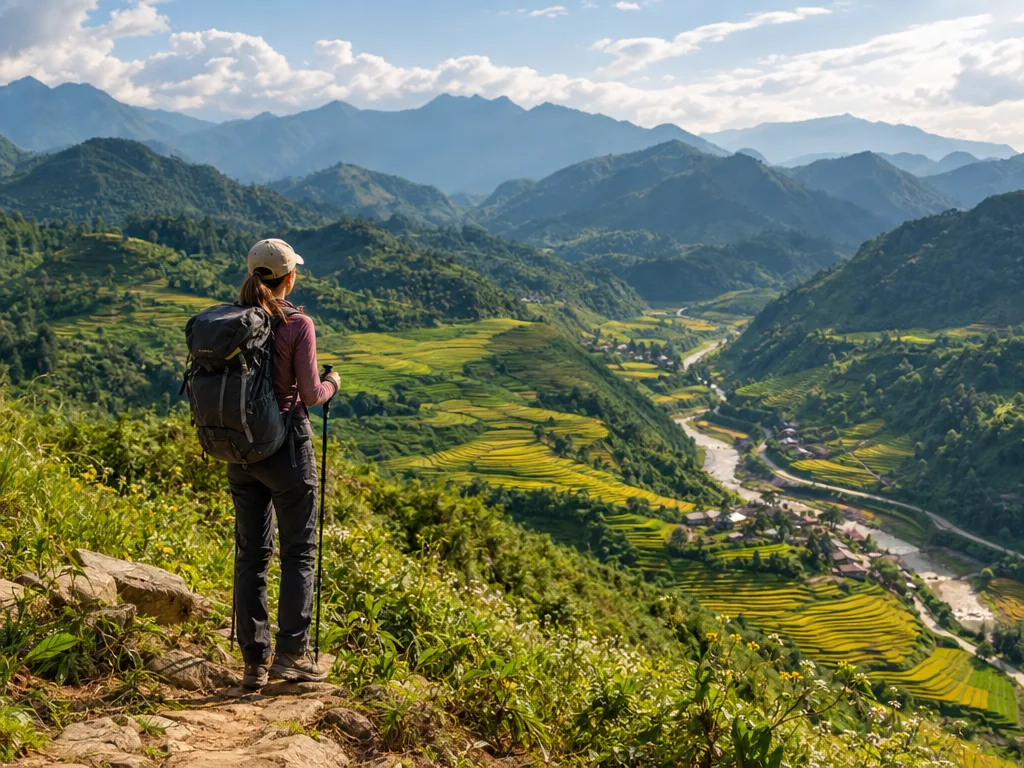
Choosing the best time for Northern Vietnam adventure travel is less about finding one perfect month than matching weather, terrain, and the kind of day you want outdoors. The same mountain region can feel crisp and clear in one season, misty and demanding in another, while rice terraces, roads, and village paths change character throughout the year.
This guide helps you plan around the main adventure styles: trekking in Sa Pa, road travel through Ha Giang’s highlands, cycling and walking in valley landscapes, and slower nature-focused escapes. It also explains how to build flexibility into a trip so a cloudy morning or wet trail does not spoil the whole itinerary.
What “best time” means in Northern Vietnam
Northern Vietnam is not one uniform climate. Hanoi, the northern midlands, high valleys, and high mountain passes can have noticeably different conditions on the same day. The official Vietnam Tourism guidance describes the Northern Midlands and Mountains as a region of dramatic landscapes, ethnic cultures, community-based tourism, adventure, mountain travel, and lake ecotourism. That range is exactly why seasonal planning matters.
For most travelers, the best period is the one that supports the activity rather than the one with the most attractive photograph. Clear, mild weather may suit a long trek or a motorbike loop. Cooler mist can create memorable scenery, but it can also reduce visibility and make surfaces slippery. A flexible itinerary therefore works better than a schedule that depends on one viewpoint, one pass, or one long road day.
- For comfortable walking, prioritize mild temperatures and a forecast that gives you several usable daylight windows.
- For rice-terrace scenery, accept that the visual reward changes from fresh green growth to golden harvest landscapes.
- For mountain roads, treat rain, fog, and surface conditions as planning factors, not minor inconveniences.
- For village and nature experiences, leave room to slow down instead of measuring success by the number of stops.
Spring: a strong all-round season for active days
March to May is often a useful window for a mixed Northern Vietnam itinerary. Vietnam Tourism describes Sa Pa as cool year-round, with March to May bringing mild conditions and blooming flowers. Its broader climate guidance characterizes Sa Pa in April to June as warm, with clearer and sunnier conditions than the wetter summer period.
Spring suits travelers who want to combine valley walks, short hikes, and scenic transfers without committing every day to a demanding route. In Sa Pa, a morning can be used for a village path while the afternoon remains available for a viewpoint, a local meal, or a rest day. In lower valleys such as Mai Chau, gentle cycling and walking can be comfortable, although conditions still vary and a light rain layer is sensible.
How to plan a spring trip
Use spring for a balanced itinerary rather than a single-purpose expedition. Pair one longer activity with an easier day, especially if your route includes transfers from Hanoi. Pack breathable layers, a light waterproof shell, shoes with reliable grip, and a warmer layer for high elevations or early starts. Morning mist is not automatically a problem; it becomes a problem when your plan requires a distant view at a fixed hour.
Summer: lush landscapes, but more weather decisions
June to August can make Northern Vietnam look intensely green, but it is also the season when rain, humidity, and storms deserve more attention. Vietnam Tourism’s Sa Pa guidance identifies June to August as stormy, warm, and humid. Its Tuyen Quang page, which now includes the remote Ha Giang highlands, notes that mountain roads can be wet and slippery from May to August.
Summer can still work well for travelers who are comfortable changing plans. Choose shorter walks, avoid stacking several exposed road sections into one day, and ask local guides or drivers about conditions before leaving. A route that is reasonable in dry weather may be tiring or unsafe after heavy rain. The goal is not to prove that the original plan can be completed; it is to keep the trip enjoyable and make sensible decisions early.
Better summer choices
- Build in spare time so a delayed transfer does not force a rushed mountain journey.
- Favor valleys, village experiences, and lower-intensity activities when the forecast is unsettled.
- Start outdoor activities early when possible, then keep the afternoon flexible.
- Carry dry bags or waterproof protection for phones, documents, and a change of clothes.
Summer is also a good test of whether an itinerary is designed around experiences or merely around a checklist. If the landscape is green and the air is humid, the most rewarding day may be a shorter walk with time to notice farms, streams, and village life rather than a long push toward a distant lookout.
Autumn: a favorite for mountain scenery and road trips
September to November is one of the clearest choices for travelers focused on Northern Vietnam’s mountain landscapes. The official Sa Pa page lists September to November as its best time, describing autumn as a period of golden rice terraces and clearer skies. The Tuyen Quang page gives the same seasonal window and notes golden terraces in September and buckwheat flowers from October to November.
This season is especially attractive for a road trip or a hiking itinerary that depends on broad views. Ha Giang is presented by Vietnam Tourism as a road-trip destination on two wheels, with dramatic highland scenery, remote towns, and minority villages. The same page highlights the Ma Pi Leng Pass and the Dong Van Karst Plateau landscape. These are reasons to slow down, not reasons to drive farther each day.
Making an autumn adventure work
Plan your route around daylight, rest, and conditions rather than an ambitious mileage target. Keep a buffer before and after the most scenic section so a late departure does not turn a beautiful road into a stressful finish. If you are not an experienced rider, use qualified local support and choose a transport arrangement that matches your skills. A passenger, private car, or guided option can preserve the scenery without making the journey itself the main risk.
Autumn is popular because several interests align: comfortable walking, strong landscape color, and a better chance of clear mountain views. That makes early reservations and a backup plan worthwhile, but there is no need to turn every day into a race for the same photograph. The region is large enough to reward quiet stops.
Winter: cooler, atmospheric, and better for a slower pace
December to February brings a different kind of adventure. Vietnam Tourism describes Sa Pa from December to March as chilly, misty, and cloudy, with cold winters and occasional frost around Fansipan. Hanoi and the northern lowlands can also feel cool, damp, or surprisingly cold compared with the tropical image many visitors have of Vietnam.
Winter can be rewarding when you want atmosphere, local food, quiet walks, and a less hurried rhythm. Mist can soften the mountains and make forests, terraces, and streets feel more intimate. It can also hide viewpoints, so plan activities that remain worthwhile without a panoramic payoff. A village walk, market visit, craft experience, or lodge stay may be more dependable than a full-day summit objective.
What to pack for winter mountains
Bring layers rather than one heavy item: a warm mid-layer, a windproof outer layer, comfortable walking trousers, and footwear that can handle damp ground. Accommodation in highland areas may feel colder indoors than expected, so avoid assuming that a warm daytime forecast applies to early mornings or evenings. If you are traveling toward Fansipan or another high elevation, treat the mountain climate separately from the conditions in Hanoi.
Match the season to your adventure style
The most useful seasonal decision is often activity-based. Trekkers usually value stable footing, manageable heat, and enough visibility to enjoy changing terrain. Road-trippers need to think about rain, fog, road surfaces, and the consequences of arriving late. Cyclists and walkers can often adapt more easily by shortening a loop or moving the start time. Wildlife and nature travelers should prioritize patience and habitat-friendly behavior in every season.
Adventure stylePlanning prioritySeasonal approachMulti-day trekkingFooting, visibility, recovery timeFavor spring or autumn; keep summer routes flexible.Mountain road tripSurface conditions, daylight, rider confidenceAutumn is attractive; reconsider exposed sections after heavy rain.Valley walking or cyclingHeat, rain, and easy alternativesSpring and autumn are comfortable, but adaptable summer days can work.Slow nature escapeQuiet time, local guidance, low-impact choicesChoose the season that supports staying longer in one place.Do not confuse a destination’s best-known season with the only season worth visiting. A trip can be excellent when your expectations fit the conditions. Travelers who want golden terraces should accept that the same valley will look different outside harvest season. Travelers who want solitude may prefer a less popular month and a more flexible route.
How to build a weather-resilient itinerary
Start with one anchor experience, then surround it with options. For example, choose a mountain region as the focus, reserve one demanding outdoor day, and keep the following day lighter. Avoid placing a long transfer immediately before a fixed-time trek. If a route is weather-sensitive, identify an easier alternative in advance rather than searching for one while tired or wet.
Transport choices also shape the quality of an adventure. Vietnam Tourism notes that travelers can combine flights, trains, buses, motorbikes, and cycling, and warns that distances and road conditions are easy to underestimate. For Northern Vietnam, an overland journey can be part of the experience, but it should not leave you too exhausted to enjoy the destination. Research current schedules and conditions close to departure, because transport details and local weather can change.
- Keep the first outdoor day modest after arriving from Hanoi or another region.
- Use a forecast as a decision aid, not a promise; mountain conditions can vary by elevation and valley.
- Confirm local advice before a long ride, remote walk, or exposed pass crossing.
- Plan food, water, phone power, and dry clothing for the longest day of the trip.
- Leave one uncommitted block for rest, weather, or an unexpected village stop.
A practical decision checklist
Before booking, ask five questions. What activity matters most? Which conditions would make it unpleasant or unsafe? Can the route be shortened without losing the main experience? Do you have a local contact who can advise on current conditions? And does your transport choice match your confidence, experience, and recovery time?
If the answers are clear, choose the season that best supports your priority. If they are unclear, select spring or autumn for a balanced first adventure, keep the itinerary geographically focused, and build in flexibility. Northern Vietnam rewards travelers who leave space for weather, conversation, and changing light.
The best time for your trip is ultimately the time when your expectations, equipment, route, and local support fit the landscape. Plan for the season you are entering, not the photograph you have seen, and the mountains will offer more than one way to have a memorable day.

JOIN THE CONVERSATION
Comments (0)
No comments yet. Be the first to share a thought.